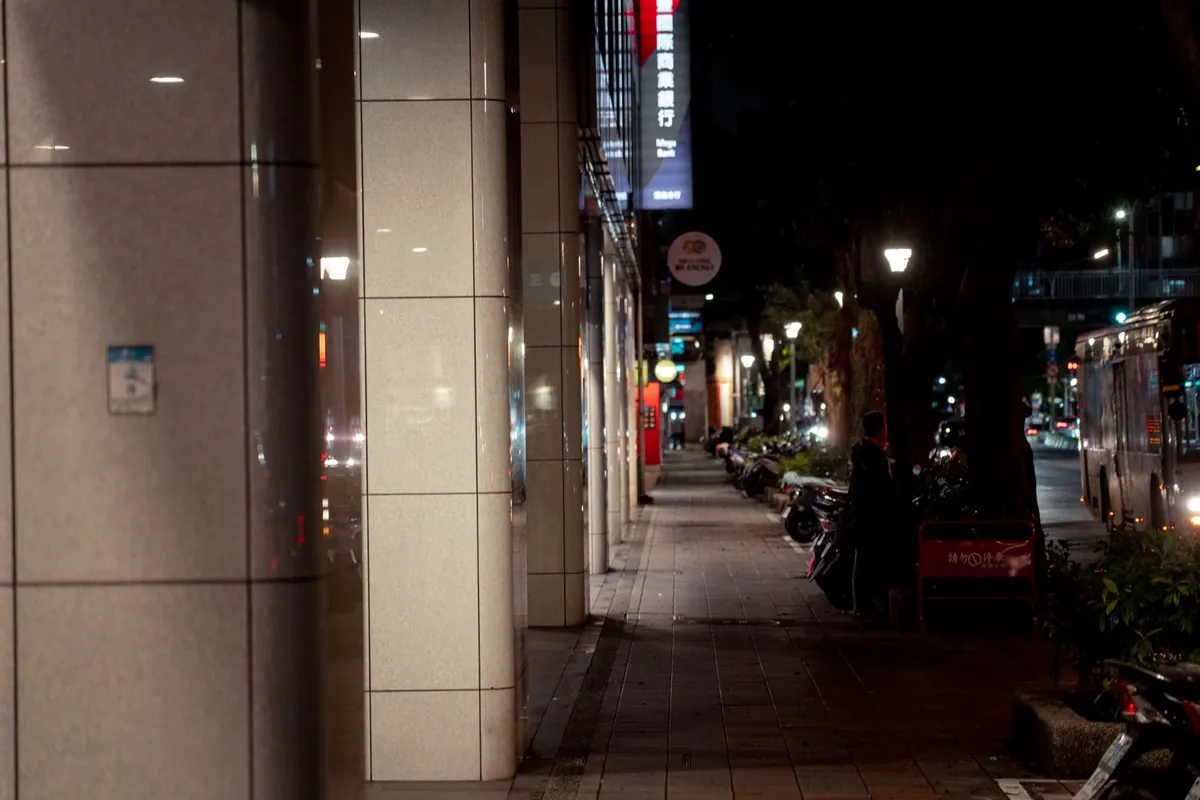
Stand outside the downtown transit center at 10:45 on a Friday and you will see a small, familiar rush: the last handful of buses of the night loading up, riders jogging to make them, someone in scrubs and someone in a work apron hurrying across the pavement. Miss that bus and the next option is an expensive rideshare or a very long walk.
Elmwood is no longer a town where everything closes at nine. We have a hospital that runs around the clock, a college with evening classes, and a downtown that stays open later than the buses do. Extending service past midnight is not a frill. For a lot of people here, it is the difference between a job they can keep and a job they have to quit.
The 11 p.m. Shift Is Not a Niche
Think about who is clocking out when the buses have already stopped. Nurses and aides coming off the evening shift. Cooks and dishwashers breaking down a kitchen. Custodians cleaning offices after everyone else has gone home. Warehouse and distribution workers on second shift. Hotel front desk staff. Grocery crews restocking aisles so the store looks full at seven in the morning.
None of these jobs are unusual. They are the backbone of how the city actually functions. And almost all of them end after the last bus leaves.
What happens next is predictable. People pay for rides they cannot easily afford. They ask a coworker for a lift and owe a favor. They turn down extra shifts because they have no way home. Some buy a cheap car they can barely maintain, which is a transit problem converted into a debt problem. Others simply stop applying for late shifts, which quietly shrinks the pool of workers every late-night employer depends on.
A city that only moves people during daylight hours is telling a third of its workforce to figure it out alone. That is not a scheduling quirk. It is a choice, and choices can be revisited.
Downtown Businesses Are Already Paying for the Gap
Ask anyone who runs a restaurant or a bar downtown what their hardest staffing problem is, and the answer is rarely the dinner rush. It is the close. Finding people willing to work until one in the morning when the only way home is a rideshare is a hard sell, and it gets harder every year.
There is a second cost, too, and it is one business owners feel on the revenue side. Customers leave early. A couple finishes dinner at 9:30 and thinks about staying for one more round, then checks the time and remembers they have no ride. A concert lets out and half the crowd trickles toward the parking garage instead of the bar across the street. Late service does not just move workers. It keeps spending in the district instead of pushing it out to the suburbs at ten o'clock.
Students Aren't on a 9-to-5 Clock Either
The community college runs evening labs, and the library stays open late during exams. Students work closing shifts at restaurants and stock shelves overnight. A student who takes a 6 p.m. class and works until 11 has exactly the same problem as a nurse on the evening shift, with less money to solve it.
We spend a great deal of time and money telling young people to stay in Elmwood. Then we make it difficult for them to get home from the places we want them to work and study.
What a Realistic Pilot Could Look Like
Nobody is proposing that every route run all night starting next month. A sensible first step is smaller and more targeted than that:
- Pick two corridors, not the whole map. Choose the routes with the clearest late-night demand: the hospital corridor and the downtown-to-college stretch are the obvious candidates.
- Run the last trips on a clock people can remember. A bus at 12:15 and another at 1:15, seven nights a week, is far easier to plan a life around than a scattered set of extra runs.
- Talk to employers before setting the times. Shift changes at the hospital and closing times downtown should drive the schedule, not the other way around.
- Make it visible. Riders cannot use a bus they do not know about. That means posters in break rooms, a line in new-hire onboarding, and clear information in the transit app.
- Set a review date up front. Agree on what success looks like before the first bus rolls — boardings, cost per ride, feedback from employers — and be willing to adjust or stop if the numbers do not come.
The Fair Objections, Answered Plainly
"It costs more per rider than rush hour." True, and that is true of every transit trip that is not packed with commuters. The honest question is not whether late service is the cheapest service. It is whether it costs more than the alternatives we are already living with: unfilled shifts, workers paying for rides out of pocket, and a downtown that empties out early.
"We cannot staff it." This is the real constraint in most transit systems, and it is worth taking seriously. That is an argument for phasing in service and being upfront about driver recruitment, not an argument for doing nothing.
"Is it safe at night?" The safety question cuts both ways. A person walking home alone at midnight because the bus stopped is not safer than a person on a bus. Late service should come with well-lit stops, working cameras, and a staffed transit center, not just a later timetable.
"Nobody will ride it." Ridership follows reliability. If the schedule is unpredictable or the route does not match where shifts actually end, people will not build their lives around it — and then the low numbers will be used as proof it was never needed.
How to Make the Case This Year
Transit budgets are built on a calendar, and public comment periods come around whether or not anyone shows up. If you want later buses, the work is unglamorous and it is doable.
- Show up and speak. One complaint is a complaint. Ten people describing the same missed shift becomes a constituency.
- Bring your employer. A letter from a nursing director or three downtown restaurant owners carries more weight than a stack of signatures from strangers.
- Be specific with your council member. Not "we need better transit," but "Route 4, two extra trips, Thursday through Saturday." Specific asks get answers.
- Keep a simple log. Note the dates you or a coworker paid for a ride, skipped a shift, or walked because service had ended. Small notes add up to a pattern, and patterns are what persuade.
- Ask for a trial, not a promise. A six-month pilot with a review date is a much easier yes than a permanent expansion.
A city's bus schedule is a statement about who it expects to be out at night. Right now ours says: be home by ten. Elmwood has outgrown that answer, and the people who keep this city running after dark deserve a better one.
Photo: Jimmy Liao / Pexels