Elmwood is a walking town, and the trail network is the reason. Most people who move here find one route they like and never try the rest, which is a shame, because the options run from a flat, stroller-friendly mile to a climb that will remind you why you brought water. What follows is what each trail actually asks of you, where to leave the car, and when to go.
Distances are approximate and shift slightly with detours and seasonal closures. The signs at the trailhead are always the final word.
The Greenway: Elmwood's Flattest Mile
If you are new to walking for exercise, recovering from an injury, pushing a stroller, or just want company, start here. The greenway follows the river on a surface that is paved near the center of town and packed gravel farther out, with benches roughly every half mile and mile markers that make it easy to track progress.
Figure about two and a half miles one way, five out and back — enough for a real walk, gentle enough that you can hold a conversation the whole time. The grade is nearly flat, with one short rise near the boat launch that most people barely notice.
Parking and timing
The main lot fills by mid-morning on Saturdays. Your better options are the smaller lot past the second bridge or street parking on the north side of River Road, where you can usually find a spot on weekday evenings. Go before eight on a weekend morning and you will have long stretches to yourself. The stretch closest to downtown is busiest from about five to seven in the evening on weekdays.
Mill Creek Ravine: Shade, Mud, and a Gentle Climb
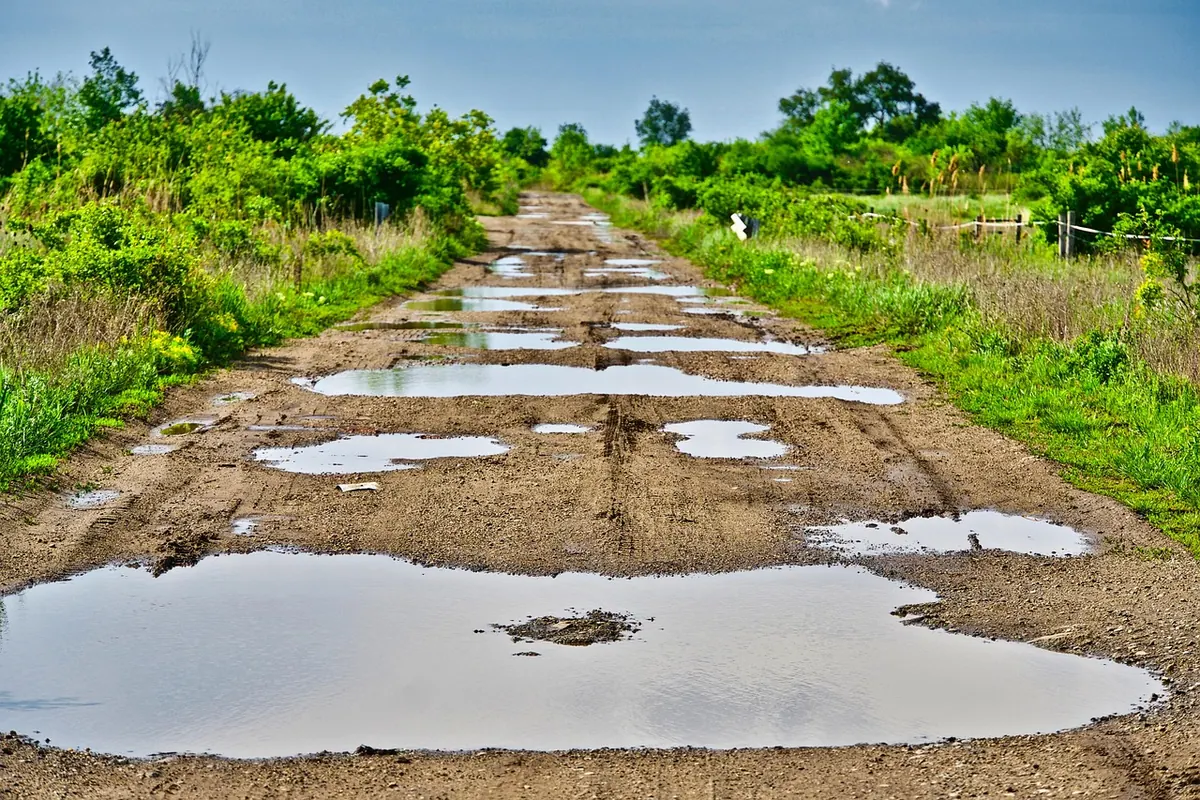
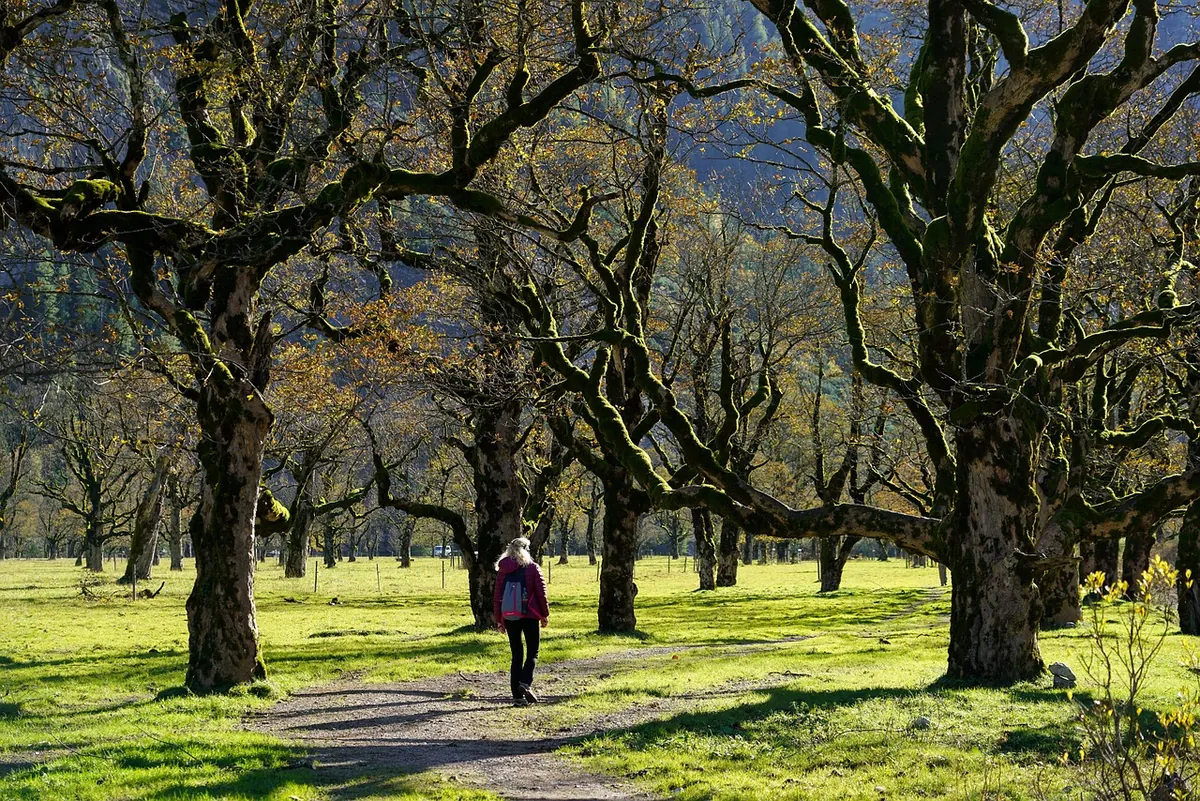
The ravine loop is roughly three and a half miles and the best all-around walk in town for most of the year. It is mostly shaded, which makes it the right choice in July and a poor choice after a long cold spell, when the clay soil holds water and then holds ice.
Expect roots, a few narrow sections where you will step aside for other walkers, and one sustained climb about halfway around. It is not long, but it is steady, and it will get your heart rate up if you keep moving. Sturdy shoes with grip matter more here than anywhere else on this list; after a heavy rain, boots are the honest answer.
Parking and crowd patterns
The trailhead lot holds maybe a dozen cars and is full most weekend mornings. On weekdays you can usually park on the nearby residential streets without trouble. If you arrive and the lot is full, do not park on the shoulder of Mill Creek Road — the sightlines are poor and it is a genuinely unsafe place to open a car door. Wait for a spot or come back later.
Cedar Hollow Ridge: Short, Steep, Worth It
This is the one people either love or avoid. It is under two miles, but it climbs several hundred feet in a short distance, with loose gravel, exposed roots, and a set of wooden steps near the top that get slick when wet. The payoff is the best view in Elmwood: the river valley opening west, especially in late afternoon light.
Trekking poles help more on the way down than up. Avoid the ridge in ice or within a day of heavy rain, and skip the steps entirely if they look wet. If you have knee, hip, or heart concerns, this is the trail to clear with your doctor before you try it, and there is no shame in turning around at the bench below the final pitch.
Parking at the ridge trailhead is limited to a few spaces. Many regulars park at the bottom of the access road instead and add about half a mile of easy walking to warm up.
The Cheat Sheet: Picking a Trail in Ten Seconds
- Greenway — about 2.5 miles one way, flat, paved and packed gravel, strollers and wheelchairs fine on the paved stretch. Dogs welcome on leash. Big lot, fills on weekend mornings. Best before 8 a.m.
- Mill Creek Ravine — about 3.5-mile loop, roots and one steady climb, shade most of the day. Dogs on leash, and the narrow sections are not fun for reactive dogs. Small lot; street parking on weekdays.
- Cedar Hollow Ridge — under 2 miles, steep, loose gravel and steps. Dogs allowed but not recommended for the descent. Very limited parking. Best in dry weather and late-day light.
Dogs, Bikes, and Trail Etiquette
Dogs
Leash rules are posted at each trailhead and they vary by section, so read the sign rather than assuming. Carry bags and pack them out — there are no bins along the ravine loop. Keep dogs on the trail itself; the soft shoulders and creek banks are fragile and take years to recover. In spring, ground-nesting birds use the brush near the water, so a shorter leash is the kinder choice.
Bikes
The greenway is multi-use. Riders should give a bell or a clear "on your left" well before passing. The ravine loop and the ridge are foot traffic; leave the bike at home.
General etiquette
Downhill traffic yields to uphill. Step aside on durable ground, not on the plants at the edge. When a trail is muddy, walk through it rather than around it — the widening scars you see along Mill Creek are made by well-meaning people trying to keep their shoes clean.
Timing Your Walk: Seasons, Hours, and Crowds
Spring
Mud season runs from snowmelt until the ground firms up. Trails are firmest in the morning before the thaw. Ticks are active in tall grass and brush from the first warm days; long socks and a check afterward are worth the trouble.
Summer
Walk early or late. The ravine is ten degrees cooler than the open greenway, which makes it the better pick on a hot afternoon. Carry more water than you think you need, and turn back if you feel lightheaded or unusually short of breath.
Fall
The best conditions of the year and the biggest crowds. Weekday mornings are quiet; weekend afternoons near the greenway's downtown end are not. If you want the ridge view with leaves on, go on a weekday or accept that you will share the bench.
Winter
The greenway is usually plowed first. The ravine and ridge hold ice long after a thaw, and traction cleats make the difference between a nice walk and a fall. Days are short; a headlamp costs little and lets you finish safely.
In every season, check the parks department page or the trailhead board for temporary closures — flooding, downed trees, and maintenance all close sections with little warning. Gates and lots generally close at dusk, and cars left after hours can be ticketed or locked in.
Before You Go: The Short Version
Wear shoes with actual tread. Bring water, even on a short walk. Tell someone where you are going and when you expect to be back, and keep your phone charged — coverage is patchy in the ravine. Dress in layers you can shed, and turn around at the halfway point of your energy rather than your distance.
Start with the greenway if you are unsure, move to the ravine once flat walking feels easy, and save the ridge for a dry day when you have time to enjoy the top. The trail you actually walk twice a week beats the one you keep meaning to try.
Photo: alandsmann / Pixabay