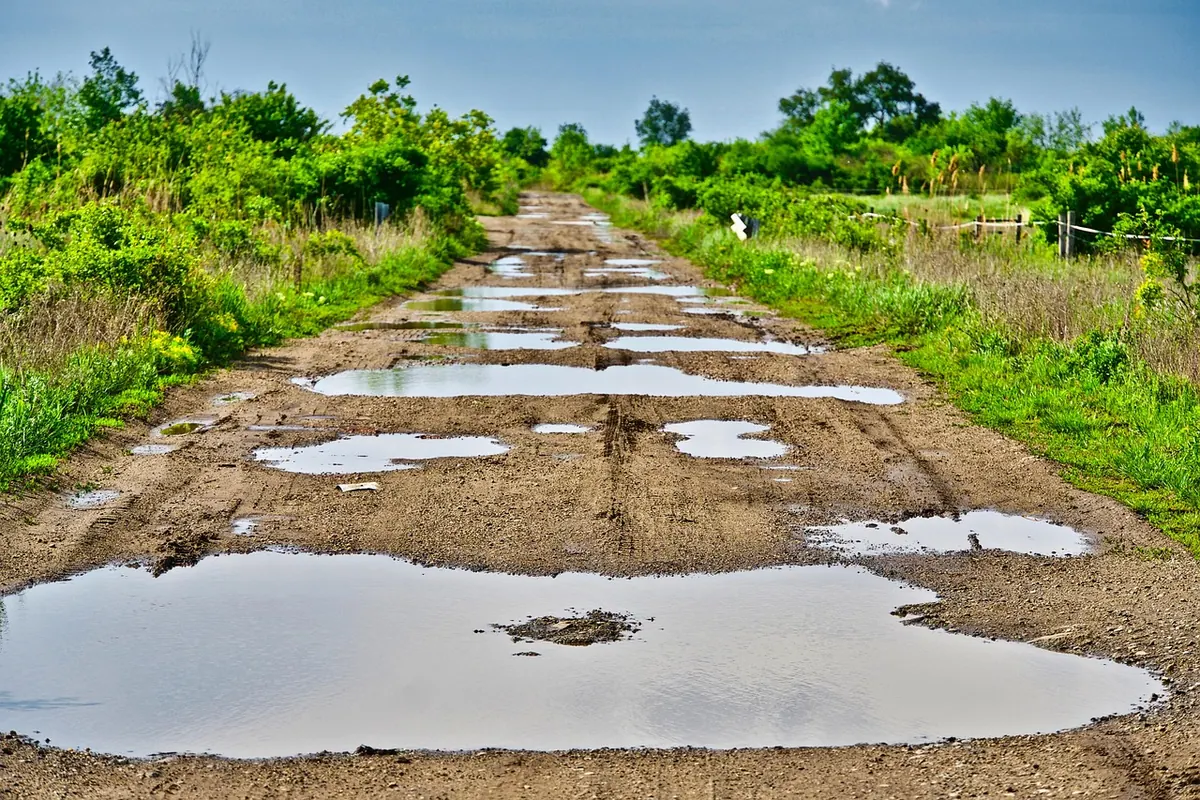
Every year the same cycle plays out on Elmwood's streets. Water works into a crack, freezes overnight, expands, and by morning there's a fresh crater on a road you've driven a thousand times. You either swerve or you wince and keep going.
Potholes are irritating, but they are also one of the few neighborhood problems that can genuinely be fixed within weeks — if someone reports them properly. A vague message about "a big hole on Elmwood Avenue" sits in a queue. A report with a cross street, a lane, a photo, and a size reference gets assigned to a crew. Here's how to do the second kind.
First, Decide What You're Actually Looking At
Not every hole in the road belongs to the same crew, and sending a report to the wrong place is the most common reason nothing happens. Before you start documenting, work out which category you're dealing with.
- A standard pothole in a travel lane, parking lane, or intersection — this goes to public works.
- A sinkhole or a collapse around a utility cut — often a water or sewer issue. Report it, and mention that the pavement appears to be caving in rather than chipping out.
- Damage on a state or county route — the city may not own that stretch. Ask when you file; they will route it if they don't.
- A parking lot, alley, or private drive — that's on the property owner, not the city.
- A sidewalk trip hazard — usually a separate program with its own form.
One exception to all of this: if a hole is deep enough that a cyclist or driver could be seriously hurt right now, call the non-emergency police line or emergency services rather than filling out a web form. A report that sits until Monday doesn't help anyone on Saturday night.
The Documentation Checklist
You don't need much time. Five minutes of note-taking on your phone is enough. What matters is precision.
- Exact location. Nearest address, cross street, and which direction of travel. "Northbound, just past the Oak Street intersection" beats "near Oak."
- Which lane. Curbside, middle, turn lane, bike lane. Crews close lanes to work, so this affects scheduling.
- Approximate size. Compare it to something ordinary — a dinner plate, a hubcap, a basketball. Avoid guessing inches from a moving car.
- Approximate depth, only if you can judge it safely. A hole that swallows a boot is a different priority than one that holds a puddle.
- Photos. Take three: a wide shot that shows the surrounding block, a close shot of the damage, and one with something for scale — a shoe, a water bottle, a tire. Scale is what convinces a reviewer this isn't cosmetic.
- Date and time. Useful if the hole grows or if you need to follow up later.
- Whether it's new or recurring. A spot that's been patched three times and failed three times should be flagged as such. It may need a bigger repair than a shovel of cold mix.
- Context that raises risk. Is it in a crosswalk? On a bus route? Does it fill with water so drivers can't see the depth? Does it sit right where cyclists ride? Say so.
Photographing without becoming a hazard
Do not stand in a live traffic lane to get the perfect angle. Park legally on a side street and walk back, or have a passenger shoot from the curb. If the road is busy, take the wide shot from the sidewalk and skip the close-up. A blurry photo is better than a trip to the emergency room.
Filing the Report: What to Include
Elmwood takes street damage reports through the city's online service request portal and its non-emergency public works line. Check the city website for the current form and number before you rely on them — these details change, and an outdated phone number wastes your morning.
Whichever route you use, the report itself should follow the same shape:
- Subject line: "Pothole — northbound Elmwood Ave at Oak St, curbside lane."
- One short paragraph: what it is, how big, how long it's been there, and any safety concern.
- Photos attached with filenames that make sense, or just attach them in order.
- Your contact information if you're willing to be contacted. Crews sometimes need clarification, and a reachable reporter gets faster results.
Save the confirmation number or take a screenshot of the confirmation page. Without it, your follow-up call starts from zero.
Tracking Your Report Until It's Patched
Most potholes are filled on a seasonal schedule, and crews generally work through reports by volume and severity rather than first-come, first-served. That means a busy intersection may get attention before a quiet residential block, even if you reported first. It doesn't mean your report was ignored.
Keep the reference number in a note on your phone with the date you filed. If nothing has changed after two to three weeks, follow up once by phone or through the portal. If the second follow-up also goes nowhere, escalate politely: your ward office or city council member's staff can usually find out where a work order is sitting. Neighbors reporting the same hole help too — a dozen requests for one location is harder to overlook than one.
And if a patch crumbles within a few weeks, report it again as a new request. A failed patch is a repair that didn't hold, and it often means the underlying base needs work, not another scoop of filler.
When a Pothole Damages Your Car
Bent rims, blown tires, and knocked-out alignment are common after a hard freeze. If it happens to you, document it immediately: photograph the pothole and the damage, note the location and time, and keep every receipt. Many cities have a claims process for vehicle damage caused by road conditions, and those claims usually have filing deadlines and require proof that the city had notice of the hazard. Rules vary widely, and outcomes are rarely guaranteed.
Before you decide whether to pursue a claim, check what your own insurance covers and what your deductible is — for a single tire, a claim may cost you more in the long run than paying out of pocket. For anything beyond a small repair, it's worth a short conversation with your insurer or an attorney who handles these claims. That is general guidance, not legal advice, and the specifics of your situation matter.
Make It a Ten-Minute Weekly Habit
Pick the route you drive or walk most often and check it once a week, especially after a thaw or a stretch of heavy rain. When you spot something, document it on the spot rather than promising yourself you'll remember the cross street later — you won't.
Report in small batches, keep your reference numbers in one place, and follow up on anything older than three weeks. It's unglamorous work, but it's how a street gets smoother: one clear report, one work order, one patch at a time. If enough of us do it, the swerving stops.
Photo: MemoryCatcher / Pixabay