Elmwood winters have a way of announcing themselves sideways. The forecast calls for three inches and the town gets a wet, heavy six. The wind picks up overnight and takes down the same branch that has been leaning over the power line since October.
You can't control the weather. You can control whether you spend the first hour of a blackout digging through a junk drawer for a working flashlight. What follows is the practical version of storm prep: the things worth doing in the calm hours before the first flake, and the ones worth knowing when the lights go out.
Stock This Before the First Warning
The best time to get ready is a mild afternoon, not the two hours before a storm when the grocery store parking lot looks like a parade. Most of what you need fits in one trip, and a fair amount of it is probably already in the house.
- Water and food: a gallon of water per person per day for at least three days, plus food that needs no cooking. Canned soup you can eat cold, peanut butter, crackers, dried fruit. Bring a manual can opener — the electric one on the counter is a paperweight without power.
- Light: two or three LED lanterns or headlamps, and spare batteries in the sizes you actually use. Candles are a bad trade. An open flame, a dark house, and a restless night are how fires start.
- Power: charged battery banks for phones and a car charger. If someone in the house depends on a medical device, talk to the device supplier and your utility now about a backup plan, well before an outage.
- Warmth: wool blankets or sleeping bags, hats, gloves, hand warmers. Layering beats any improvised heat source.
- Medication and basics: at least a week of prescriptions, a first-aid kit, pet food or baby supplies if you need them, and a written list of phone numbers.
- Information: a battery-powered or hand-crank radio, so you aren't draining your phone battery to learn when the plows are coming.
- Car kit: blanket, boots, gloves, a small shovel, sand or kitty litter for traction, jumper cables, a phone cable.
If you own a generator, start it once this month and let it run for a few minutes under load. If it won't start on a sunny Saturday, it certainly won't start in a snowbank. Store fuel safely, and never indoors.
When the Power Goes Out
First, look out the window. If the whole block is dark, it's an outage and not a tripped breaker. Then work through this:
- Report it to the utility's outage line or app. Crews prioritize by how many customers are affected, so a report from your street matters.
- Unplug the television, computer, and anything with a motor. When power returns it can come back with a surge.
- Keep the refrigerator closed. A closed fridge holds a safe temperature for roughly four hours, and a full freezer much longer, but only if nobody opens the door to check. If you're unsure whether food spent hours in the warm zone, throw it out. Food poisoning during a storm is a bad trade for a package of chicken.
- Leave one light switch on so you know the moment power returns.
- Check on the person next door who lives alone.
Never run a generator, camp stove, charcoal grill, or kerosene heater inside a house, garage, or attached shed. Generators belong outdoors, well away from windows, doors, and vents. If anyone in the house develops a headache, dizziness, or nausea, get everyone into fresh air and call 911.
The same goes for using a gas oven to heat the kitchen. It doesn't work, and it can kill you. Clear snow away from furnace and dryer vents on the outside wall so exhaust has somewhere to go.
Snow Plows: What Gets Cleared First
Plow drivers work a priority list. Main roads, hills, and emergency routes come first, then collector streets, then residential side streets. Your street may wait hours after the main road is clear. That isn't neglect, it's triage, and it happens faster when there are fewer cars parked and stuck in the way.
A few things residents can do that genuinely help:
- Watch for parking bans and move cars off the street before the snow starts.
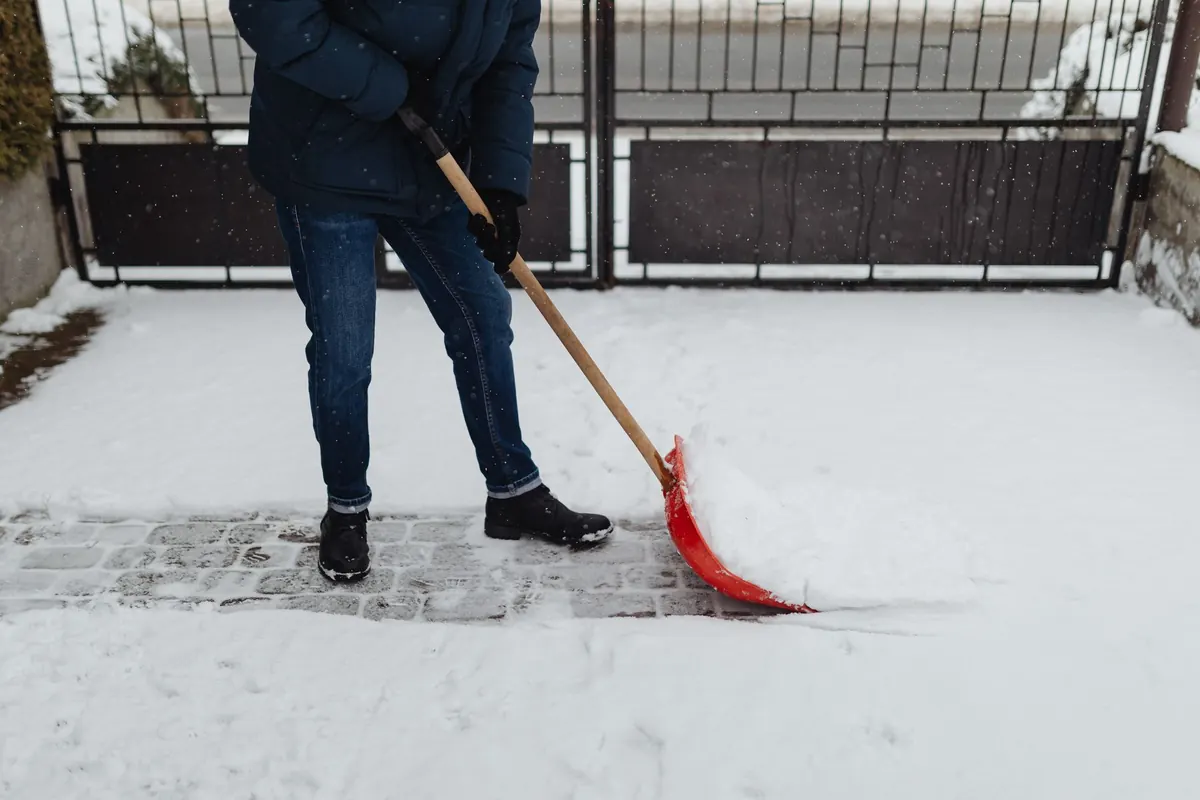
- Shovel your driveway apron after the plow passes, not before, or you'll do it twice.
- Never shovel snow into the roadway. It creates a hazard and, in many towns, a fine.
- Clear the fire hydrant nearest your house if you can safely reach it.
- Give plows room. Don't tailgate one, and don't try to pass on the right when it's making a turn.
Many towns also require property owners to clear sidewalks within a set number of hours after a storm. Check the current town ordinance or call the non-emergency line if you're unsure what applies to your block.
Warming Centers and the Knock on the Door
When an outage stretches into a cold night, the town opens warming centers, typically at the community center and the library. Locations and hours shift with the situation, so confirm them through the town's alert system or the non-emergency line rather than trusting a post from three storms ago.
If you head to one, bring medications, a phone charger, a blanket, snacks, identification, and something quiet for kids. Pets are usually not allowed except for service animals, so ask before you load the car.
Before you leave, knock on the doors of neighbors who might not ask for help: older residents, anyone living alone, anyone with a medical device, anyone without a car. A two-minute conversation prevents most of the calls that emergency crews hate getting at 2 a.m.
Save These Numbers Now
Save them in your phone while the battery is full, and write the important ones on paper. Paper doesn't need a charge.
- Emergency: 911
- Police and fire non-emergency lines
- Your electric utility's outage number
- Public works, for plowing questions and downed trees
- The town's emergency management or warming-center hotline
- Poison Control: 1-800-222-1222
- Your doctor's after-hours line and the nearest urgent care
- Your insurance agent — if a tree lands on a roof or a car, take photos and make the call before you haul anything away
- A neighbor's cell number
On insurance and repair questions, your agent or a licensed professional can tell you what your policy actually covers. Don't guess.
When to Stay Home
The honest rule is simple: if you don't have to go, don't. Fewer cars on the road means plows finish sooner and tow trucks have less to do. Bridges and overpasses freeze before the rest of the road does, and the first hour of a storm is when most people slide off.
If you truly have to drive, clear the whole car, including the roof, so snow doesn't slide onto your windshield at a stoplight. Fill the tank, tell someone your route and expected arrival, use headlights, brake gently, and skip cruise control. If you get stuck, stay with the vehicle. Run the engine about ten minutes an hour for warmth, crack a window, and make sure the tailpipe isn't packed with snow. Tie something bright to the antenna and call for help.
One more caution that gets overlooked: shoveling a wet, heavy driveway is hard physical work. If you have a heart condition, are older, or have been mostly sedentary, talk to your doctor about what's safe for you before you take it on. Stop and call 911 if you feel chest pain, shortness of breath, or dizziness. This is general guidance, not medical advice.
The Night Before, Ten Minutes Is Enough
Charge the phones and the battery banks. Fill a pitcher and a couple of water bottles. Put the shovel, boots, and salt by the door and a flashlight on the nightstand. Top off the gas tank. Text the neighbor who lives alone and ask whether they need anything from the store.
Then go to bed. The storm will do what it does. You'll be ready for it.